Doodleline: A Handwritten Font That Brings Personality to Your Craft Designs
Doodleline for Wedding Invitations and Heartfelt Cards
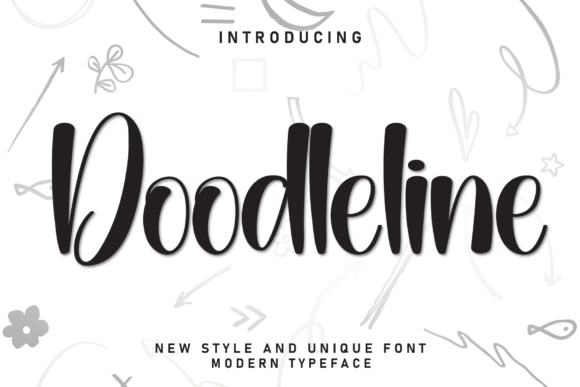
As a printable creator who designs stationery for Etsy and personal clients, I recently tested Doodleline on a set of rustic-chic wedding invitations and a line of personalized thank-you cards. From the moment I typed out the couple’s names in Doodleline, I knew this Script Handwritten font was going to elevate the emotional tone of the design. The playful loops and soft strokes gave the text a genuine, hand-penned feel that digital fonts often miss. Whether it’s the bride and groom’s initials on an envelope or a heartfelt message inside a sympathy card, Doodleline brings warmth and intimacy to every letter.
How Doodleline Enhances Candle Labels and Product Packaging
I used Doodleline on a set of candle labels for a small boutique brand that wanted a cozy, artisanal look. The font’s rounded edges and uneven baseline gave the labels a handcrafted charm that matched the natural soy candles perfectly. What stood out was how readable it remained at small sizes, even when printed on 1.5-inch circular labels. While Doodleline is a decorative display font, its clarity and spacing make it surprisingly versatile for product tags and packaging accents. Just avoid using it for lengthy ingredient lists or care instructions—it’s best reserved for names, scents, or short descriptors.
Doodleline in Digital Downloads and Planner Pages
When designing a digital planner bundle for a client, I wanted a font that felt personal and expressive for title pages, habit trackers, and quote inserts. Doodleline, as part of the Fonts collection I regularly test, was a standout choice. It added a whimsical touch without overwhelming the clean layout. Since Doodleline supports multiple file formats including OTF and TTF, I had no issues embedding it in Canva or Illustrator templates. If you're creating digital printables, make sure to check for multilingual support and stylistic alternates—Doodleline includes both, which helps customize the look for different themes or languages.
Using Doodleline for Stickers, Tags, and Merchandise
Testing Doodleline on sticker sheets and boutique tags was another highlight of my review. The font cut beautifully on my Cricut machine, with clean lines and no overlapping edges. It worked especially well for boutique tags labeled “Handmade with Love” or “Limited Edition.” I also tried it on a tote bag mockup and a set of holiday ornament tags—each time, the font gave a soft, approachable vibe that shoppers tend to connect with emotionally. That said, if you're using it for very small stickers or intricate vinyl cuts, always preview the text at actual size to ensure legibility.
Pairing Doodleline with Other Fonts for Balanced Design
One of the most practical things I discovered while working with Doodleline is how well it pairs with clean, minimalist fonts. For example, combining Doodleline with a simple sans serif like Montserrat or a soft serif like Merriweather created a beautiful contrast in branding materials and product packaging. This kind of font pairing is essential for maintaining readability while still showcasing Doodleline’s expressive personality. Whether you're designing a mug with a short phrase or a boutique tag with a short description, pairing helps guide the viewer’s eye and enhances the overall design flow.
What to Watch for When Using Doodleline
While Doodleline is a standout Script Handwritten font, it's important to use it with intention. It’s best suited for short phrases, titles, and decorative text rather than long paragraphs. I noticed that using it for more than a few words in a row started to feel visually heavy, especially in printed formats. Also, if you're selling digital templates or physical products, double-check the commercial font licensing included with your purchase—this ensures your designs are legally protected when used in logos, packaging, or merchandise.